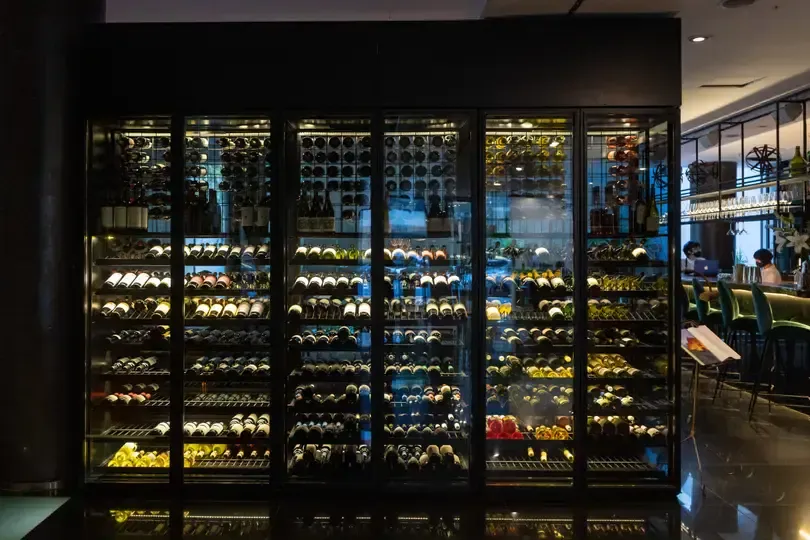
Argentine wine: what to try, a guide to get started
Argentina is much more than Malbec. This is a short guide to know what to order —and why— based on what you like to drink.
June 13, 2026
If you’re in Buenos Aires and want to understand Argentine wine without getting lost in a list of hundreds of labels, this guide is for you. You don’t need to be an expert: knowing what to look for is enough. Here’s what we usually suggest at the Verdot bar.
Start with Malbec, but don’t stop there
Malbec is Argentina’s flagship grape, and for good reason: in Mendoza, and especially at altitude in the Uco Valley, it gives wines of intense fruit, soft tannins and plenty of personality. It’s a great starting point.
But the country has much more to offer. Once you’ve tried a good Malbec, it’s worth exploring.
Reds to keep discovering
- Cabernet Franc: perhaps the red that has gained the most prestige in recent years. Elegant, with herbal and spicy notes. If you like reds with freshness, start here.
- Bonarda: Argentina’s “other” great grape, juicy and easygoing, perfect for an unpretentious meal.
- Cabernet Sauvignon and Bordeaux blends: structure and ageing potential, ideal for a dinner with meat.
Whites and rosés that surprise
- Torrontés: the most typical aromatic white, especially from Salta (Cafayate), where high-altitude vineyards give it flowers, freshness and a dry finish.
- High-altitude Chardonnay: in the Uco Valley you’ll find Chardonnays with tension and minerality that have little to envy the world’s classics.
- Sparkling wines: Argentina makes very good traditional-method sparklers. A great aperitif to open the evening.
The regions, in one line
- Mendoza: the heart of Argentine wine. Malbec, Cabernet Franc, Chardonnay.
- Salta (Cafayate): high-altitude wines, Torrontés and concentrated reds.
- Patagonia (Río Negro, Neuquén): fresher, more elegant Pinot Noir and Merlot.
How to try several without going wrong
The best advice: order by the glass. That way you can travel across regions and grapes in a single sitting, compare a Mendoza Malbec with one from the Uco Valley, or cross a Salta Torrontés with a high-altitude Chardonnay.
If you’d like someone to guide you through that journey, a tasting with a sommelier is the fastest way to understand Argentine wine. The details are below.